How to Plan Event Photography for Maximum Impact
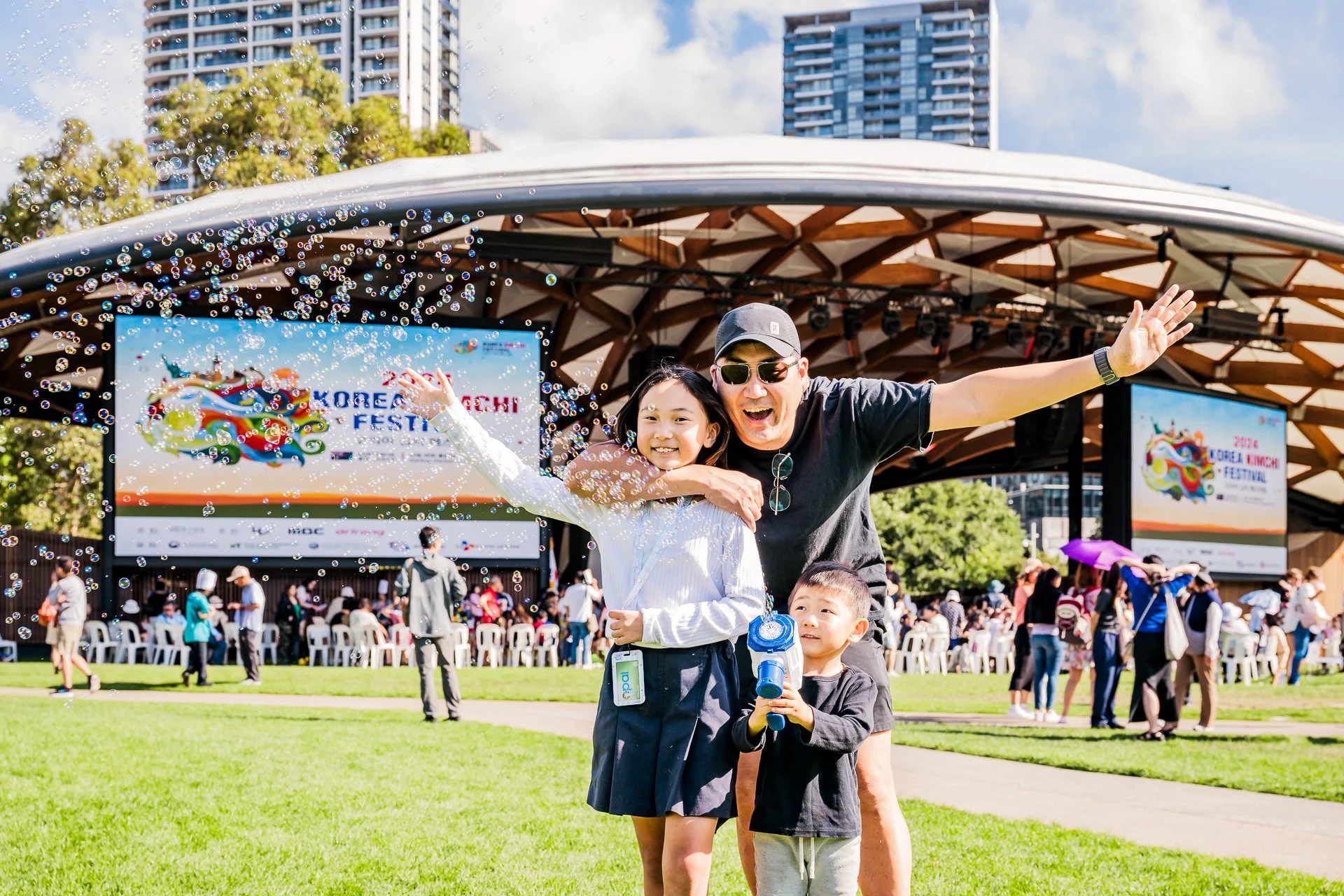
Whether you’re organising a community festival, a government activation or a major precinct event, photography plays a huge role in how your audience remembers the experience. Strong images don’t just document what happened. They elevate how your brand communicates atmosphere, connection and impact.
But great event photography doesn’t happen by chance. It’s the result of thoughtful planning and clear communication between the organiser and the photographer.
Here’s a practical guide to help you plan your next event shoot for maximum impact.
Start with your Purpose
Before you even think about a shot list, ask one simple question:
What do we need these photos to achieve?
Your purpose might include:
Attracting future visitors
Securing sponsors or stakeholders
Telling a community story
Boosting media coverage
Showcasing precinct activation or engagement
Once your purpose is clear, every creative decision becomes easier and more strategic.
Share the Story of your Event
Photographers love context because it helps us shoot with intention. Include:
The event’s background and goals
Who the event is for
The mood or tone you want captured
Key branding or storytelling themes
This helps your photographer lean into the moments and details that matter most.
Provide a Clear but Flexible Shot List
A good shot list balances structure with adaptability. Think of it as a guide, not a checklist.
Useful categories include:
Hero moments
Crowd engagement and atmosphere
Speeches or formalities
Sponsor activations
Branding, signage and environment
Close-ups of hands, faces and details
Wide contextual shots for banners or hero placements
Clear direction empowers your photographer, but flexibility allows them to capture authentic moments when they naturally unfold.
Map out your Timings and Logistics
Event days move quickly, so the more detail you can provide, the better.
Share:
A full run sheet
Key timings (e.g. fireworks, performances, VIP arrivals)
Venue map or site plan
Stage lighting notes (if relevant)
Security or access requirements
Contact info for your event manager or comms lead
This helps your photographer plan positioning, anticipate peak moments and ensure nothing important is missed.
Consider the Audience You’re Trying to Reach
Different audiences call for different imagery.
For example:
Government + councils often need community representation, diversity and connection.
Tourism teams prioritise atmosphere, place and hero moments.
PR may need images suitable for media outlets.
Social teams want quick-turnaround, vertical-friendly content.
Sharing your audience expectations helps guide the style and pacing of coverage.
Think about Lighting and Environment
Lighting can shape the entire story of an event.
Helpful notes to share include:
When the event looks best
Whether key moments happen indoors or outdoors
Areas with difficult lighting
Any brand colours or lighting effects you want highlighted
This helps your photographer arrive prepared with the right equipment and exposure strategy.
Build in Time for Hero Shots
If you need big hero images for marketing or PR, it’s worth allocating:
A few minutes with talent
A planned vantage point
Coordination with your production or staging team
Hero shots often require clear communication and a tiny bit of setup, even in fast-moving events.
Plan for Delivery Needs
Your photographer should understand:
When you need the first selects
Whether a same-day or next-day hero image is required
What formats you need (web, PR, social, print, OOH)
Any urgent media or stakeholder deadlines
This ensures the editing workflow is aligned with your comms priorities.
Share any Past Examples
If you have reference images from previous years or other events you admire, include them. They help clarify:
Visual tone
Colour preferences
Shot composition
Level of crowd density or activation focus
References remove guesswork and speed up creative alignment.
Trust your Photographer’s Perspective
Once the planning is done, allow your photographer to move with the event. The best images often come from instinct, observation and anticipation.
Your preparation sets the foundation, but creative freedom brings the magic.
Final Thoughts
Planning event photography doesn’t need to be complicated. A clear brief, open communication and thoughtful preparation go a long way in ensuring your images truly reflect the energy, story and impact of your event.
With the right approach, your photographer becomes more than a vendor. They become a creative partner helping you tell the story of your community, your place and your brand.
If you’d like guidance tailored to your next campaign or event, feel free to reach out. I’m always happy to help you plan for stronger, more strategic visual outcomes.