
Why Cheap Photography often ends up Costing More
When budgets are tight, it can be tempting to choose the lowest photography quote and hope for the best. On paper, it looks like a simple saving. In practice, cheap photography often introduces hidden costs, risks and compromises that can far outweigh the initial price difference.
This isn’t about criticising individual photographers. It’s about understanding what’s usually missing when photography is priced purely on cost rather than outcome.
Missed moments can’t be recreated
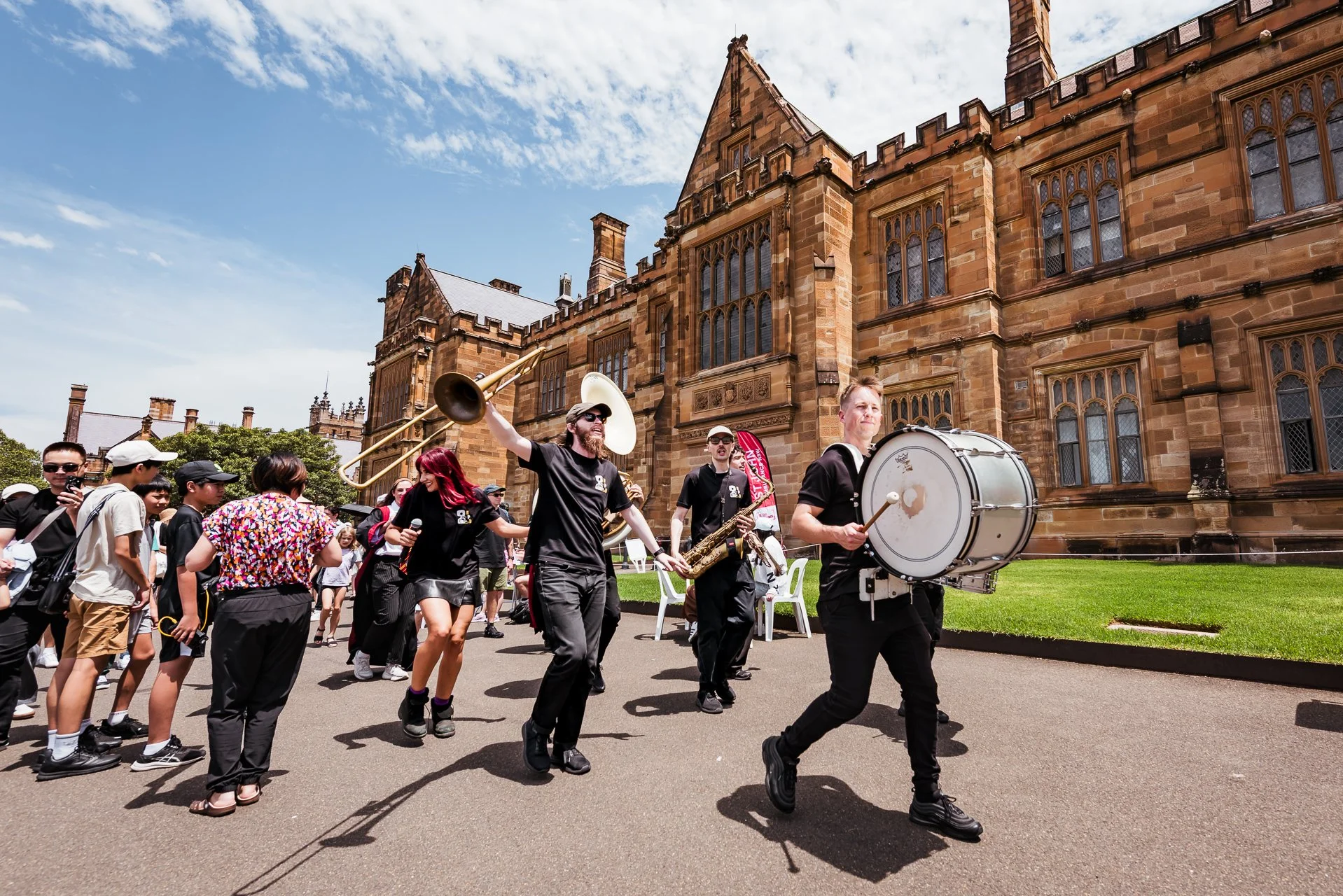
Live events, launches and public activations happen once. If key moments are missed due to inexperience, poor positioning or lack of anticipation, there is no second chance.
Experienced photographers know how to read a space, anticipate moments and adapt quickly as conditions change. Without that experience, important interactions, reactions and atmosphere can be lost, leaving you with images that don’t fully represent the event or its impact.
Replacing those moments later is rarely possible, and the cost is often reputational rather than financial.
Inconsistent quality creates extra work
Lower-cost photography often results in inconsistent imagery. Variations in colour, exposure and editing style can make images difficult to use across campaigns, platforms or brand channels.
For marketing and communications teams, this can mean:
Additional editing or retouching time
Reduced flexibility in how images are used
Visuals that don’t align with brand guidelines
What initially appeared to be a saving can quickly turn into extra work and added cost.
Lack of backup increases risk
Professional photographers build redundancy into their workflow as standard. Backup cameras, lenses, memory cards and data storage are part of being prepared for live environments.
Lower-cost options may operate with minimal equipment and limited contingency planning. If something fails on the day, there may be no solution. For major events or commercial projects, this risk can be significant.
Public events come with real responsibilities
While creativity is central to great photography, working at events and in public spaces also comes with real responsibilities.
Professional photographers understand WHS requirements, carry appropriate public liability insurance and are experienced working safely around crowds, equipment and live environments. This protects not only the photographer, but also organisers, participants and the organisation commissioning the work.
Lower-cost providers may not always have the same level of coverage or experience operating in regulated or high-traffic settings. When issues arise, that risk can fall back on the client rather than the supplier.
Licensing misunderstandings can be costly
Another common hidden cost of cheap photography is unclear or incorrect image licensing.
Images may be delivered without appropriate usage rights, creating problems when they are later used for advertising, large-scale print, media distribution or long-term campaigns. Resolving licensing issues after the fact can involve additional fees, restrictions or having to replace imagery altogether.
You only get one chance to capture it
Live events and public activations don’t offer second chances. When key moments, interactions or atmosphere are missed, there’s no way to recreate them later.
In some cases, organisations are forced to commission additional content or rely on generic imagery to fill the gaps. Even then, the original energy and context of the moment is lost, along with the opportunity to capture it properly the first time.
Final Thoughts
Choosing a photographer is rarely just about price. It’s about reliability, experience and the responsibility that comes with capturing moments that can’t be repeated.
When photography is approached as part of your public-facing story rather than a line item, the long-term value becomes much clearer.