A Behind the Lens Look at How Event Photography Works
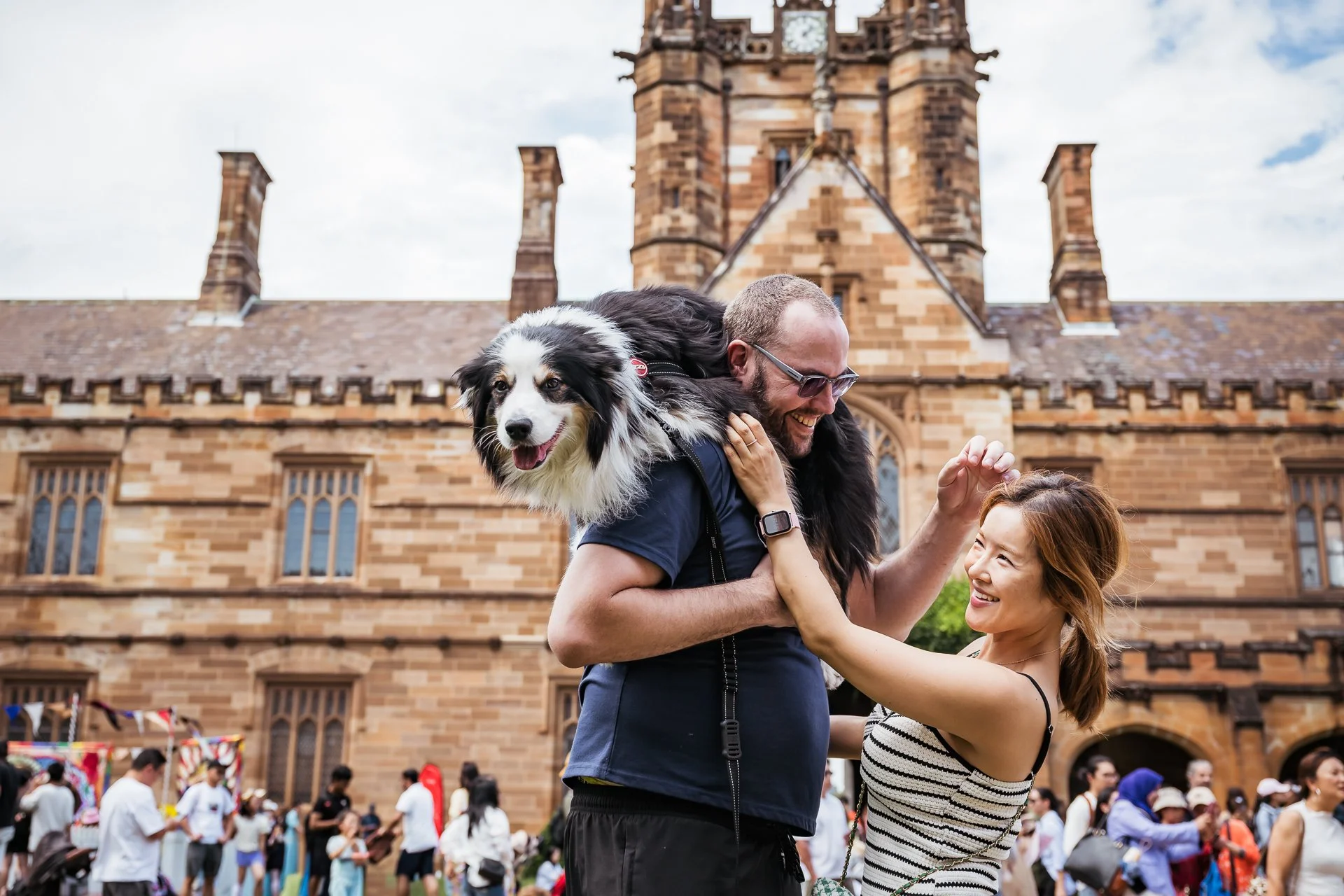
Event photography is one of those disciplines that looks simple on the surface. You see someone with a camera moving through a crowd, capturing moments as they unfold. But behind every image is intention, instinct and a lot of quiet decision making that shapes the story of your event.
If you have ever wondered what actually happens behind the scenes, here is a closer look at how event photography really works and the thought process that guides every frame.
The Unseen Work Before the Event Begins
Long before the first guest arrives, a photographer is already preparing.
This includes:
Understanding the purpose of your event
Reviewing the run sheet
Planning for lighting, weather and crowd flow
Identifying the key people or moments
Mapping potential vantage points
Clarifying how the images will be used after the event
This early work sets the foundation. It ensures the photography is aligned with your goals rather than simply recording what happened.
How Photographers Read a Space in Real Time
Events are fluid, they shift and change every minute. A professional photographer learns to read a space quickly.
We look at:
How light moves across the environment
Where the strongest angles are
How the crowd flows through the space
Which backgrounds feel clean and intentional
Where the key action is likely to unfold
This ability to observe and adapt is what allows us to move quietly and capture moments without interrupting the experience.
Capturing Emotion, Connection and Community
The heart of event photography lies in emotion.
We look for:
Candid expressions
Meaningful interactions
Hands reaching, faces reacting and people connecting
Diversity and representation
The atmosphere that makes your event unique
These moments show the human story behind the event. They help your audience feel the energy and purpose of what you created.
What We Look for during Hero Moments
Every event has peak moments that define its story. It may be a performance, a lighting moment, a speech or a crowd reaction.
During hero moments, we focus on:
Timing
The direction of light
The response from the audience
The balance of foreground and background
Choosing the right lens for impact
Hero shots often become your campaign visuals, so they require patience, planning and instinct.
The Details that Tell the Bigger Story
Small details play a big role in shaping the narrative.
We photograph:
Signage and branding
Decor and textures
Food, crafts or cultural elements
Hands, movement and close interactions
Details create depth and help your event feel grounded, authentic and thoughtfully designed.
Working with Unpredictability
Events rarely unfold exactly as planned and part of the job is embracing unpredictability.
We often navigate:
Changing weather
Shifting crowds
Tight run sheets
Spontaneous performances
Technical challenges
New vantage points appearing on the spot
The ability to stay calm, adapt quickly and make effective, split-second decisions is a huge part of the craft.
What Happens After the Event
Once the event ends, the real work begins. Behind the scenes, we:
Reviews thousands of frames
Selects the strongest images
Balances colour and exposure across lighting conditions
Edits for consistency and clarity
Prepares images in high resolution and web resolution
Ensures the final gallery reflects your purpose and story
This stage takes time and care and it is where the narrative becomes polished and cohesive.
Why Event Photography is more than just Documentation
Event photography is not just about showing what happened. It’s about capturing the connection between people and place, and preserving the atmosphere that makes your event meaningful.
The goal is to create images that feel alive, images that let your audience stand in that moment and feel what it was like to be there.
Final Thoughts
Behind every event gallery is observation, creativity and an understanding of what makes your story unique. When you work with a photographer who takes the time to understand your purpose, you receive imagery that reflects the care, connection and community behind your event.
If you are planning an activation or festival and would like support shaping the visual approach get in touch with us, we’re always here to help.