How to build an Event Photography Shot List that Actually Works
A shot list can be one of the most useful tools for shaping your event photography. However, many organisations either do not create one at all, or they create a list so long and complicated that it becomes impossible to use on event day.
A great shot list is not a script.
It is not a checklist of every moment.
And it is definitely not meant to micromanage the photographer.
A strong shot list is simply a clear, thoughtful guide that helps everyone stay aligned on what matters most while still giving the photographer the creative freedom to capture moments as they unfold.
Here is a practical and strategic guide to building a shot list that actually works.
Understand what a Shot List is (and what it is not)
A shot list is a priority tool. It tells your photographer:
What the event is about
Who needs to be photographed
Which moments matter most
What story the images need to tell
It is not a guarantee that every single item will be captured. It is a framework that keeps your goals front of mind while allowing flexibility when the event shifts or crowds move unexpectedly.
Focus on the Three Types of Essential Shots
Every successful event gallery is built on three core shot categories.
Hero Moments
These are the high impact moments your audience will remember:
A performance peak
Opening remarks
A drone show, fireworks or lighting moment
Crowds reacting
A VIP interaction
Hero shots drive your campaign visuals, PR coverage and social impact.
Atmosphere and Crowd Energy
These images help your audience feel the event:
Movement and flow
Candid reactions
People exploring
Vibrancy and diversity
The overall mood of the space
These are the images that show the identity, culture and scale of your event.
Storytelling Details
Details anchor the narrative:
Signage
Activations
Food and experiences
Hands, textures, colours
Cultural elements
Details make your event feel real, lived in and intentional. A good shot list highlights all three.
Use this simple Shot List Structure (a template you can copy)
Here is a structure that works for almost any event.
A. Must Have Moments
The moments that cannot be missed. Keep this list short.
B. Key People
Names or roles that must appear in the final gallery.
For example: speakers, officials, sponsors, ambassadors or talent.
C. Event Themes and Story Elements
What story should the images convey?
For example: family friendly, vibrant precinct energy, cultural celebration.
D. Branding and Partners
Any signage, activations or sponsor elements requiring coverage.
E. Detail Shots
The small touches that make your event unique.
This template keeps things structured without overwhelming your team or the photographer.
What not to put in a Shot List
Here are the things that make a shot list harder to use.
1. Every single item in your Run Sheet
A minute by minute breakdown does not help the photographer. The run sheet should be shared separately.
2. Overly Specific Micro Moments
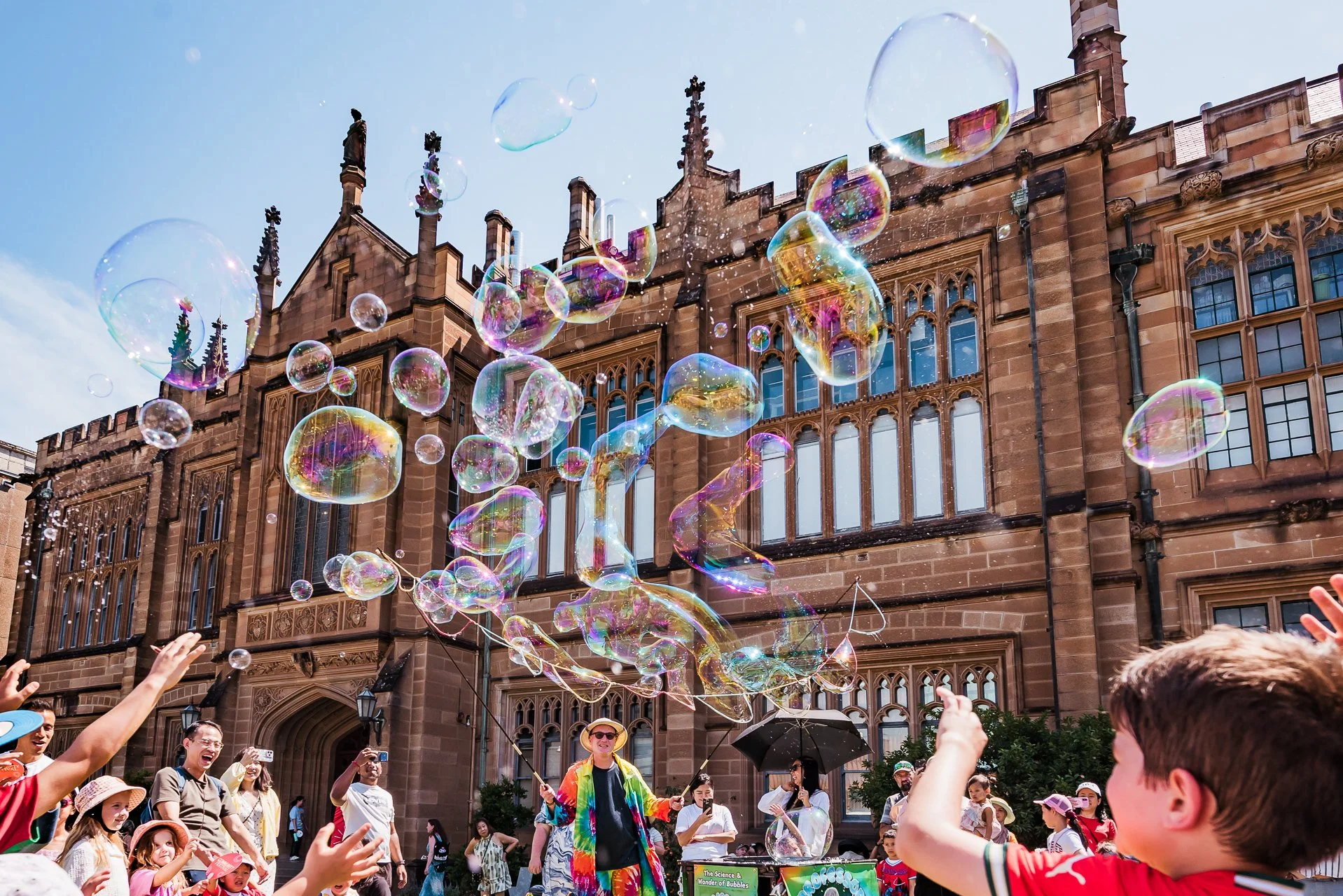
For example, kids blowing bubbles at a specific time. These moments should be allowed to happen organically.
3. Redundant Items
For example, photos of people having fun. This will be captured naturally.
4. Unrealistic Volume Expectations
A shot list should define priorities, not demand infinite coverage.
5. Simultaneous Moments in Different Places
If two important things happen at once, this needs planning, communication or additional coverage.
Removing these pitfalls keeps your shot list useful, not stressful.
A Good Shot List vs. a Bad Shot List
The Bad Version
45 items
Repetitive or vague
Includes every run sheet item
Reads like a to do list
No hierarchy
No context
The Good Version
10 - 15 priority items
Split into clear categories
Names key people
Defines the story the event needs to tell
Leaves space for authentic moments
Sets everyone up for success
A well designed shot list does not restrict creativity, it supports it.
How Photographers actually use a Shot List on Event Day
Most clients do not realise that photographers rarely shoot with a paper list in hand. Instead, we:
Scan the list beforehand to understand priorities
Use it mentally as a guide throughout the day
Revisit it during natural pauses
Check off key faces and moments
Balance the list with spontaneous storytelling
We use the shot list like a compass, not a map. It helps us steer the creative direction while still capturing the unexpected moments that make an event feel alive.
Final Thoughts
A great shot list is not complicated. It is thoughtful, organised and aligned with your event story.
When you build a shot list that clearly defines your priorities and goals, your photographer can focus on what they do best, capturing the atmosphere, connection and community that bring your event to life.
If you would like support refining your shot list or shaping the visual direction for your next event get in touch with us, we’re always here to help.