
A Photographer’s Guide to Tourism and Destination Storytelling
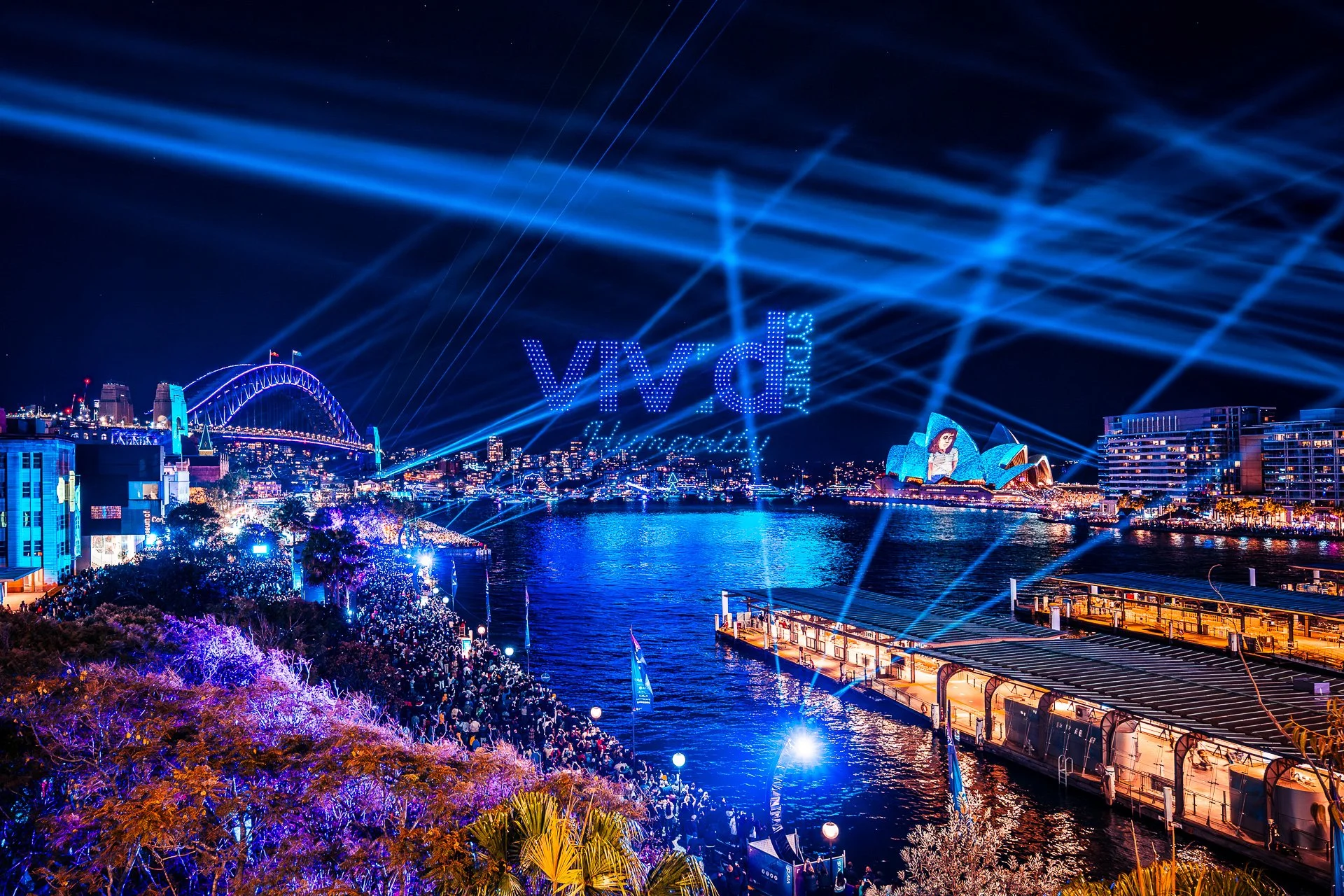
Tourism marketing is built on emotion. Before someone clicks Book Now, they need to feel something. They need to imagine themselves in the moment, connect with the place and believe that what they’ll experience is worth their time.
That’s why destination storytelling matters. It’s why photography plays such a powerful role in shaping how people see a city, region or experience. Whether you’re showcasing a historic precinct, a cultural festival or a major seasonal campaign, here’s a practical guide to creating tourism imagery that inspires people to visit, explore and engage.
Lead with a Sense of Place
Strong destination photography starts with location identity. It’s not just about capturing what a place looks like, but what it feels like.
Think about:
Unique architectural features
Local culture, traditions or daily life
Light, atmosphere and seasonality
Iconic landmarks that anchor the audience
The goal is simple: help people recognise the destination instantly, even if they’ve never been there before.
Photograph People Experiencing the Destination
Tourism isn’t just landscapes. It’s people interacting with a place.
People add:
Scale
Relatability
Emotion
Movement
From a family exploring a museum to friends sharing a street food moment, capturing authentic human experiences boosts audience connection and helps marketing teams tell a richer story.
Show more than one Perspective
Destinations are multi-dimensional, so your imagery should be too.
In practice, this looks like:
Wide shots that establish the environment
Mid-range shots showing engagement and activity
Tight details that highlight texture, culture and character
Aerials (where permitted) to showcase layout and scale
This layered approach gives tourism teams a versatile suite of assets that work across web, social, signage and PR.
Capture Real Moments, not Staged Performances
Audiences can spot staged moments instantly. Authenticity is what resonates.
Look for:
Genuine reactions
Interaction with the environment
Candid laughter, curiosity or connection
Movement through the space
Real experiences tell a stronger story than perfectly posed groups.
Consider Seasonality and Campaign Timing
Tourism photography should reflect the time of year the audience will be visiting.
This means paying attention to:
Weather patterns
Light direction
Seasonal events
Landscape changes (e.g. gardens, festivals, water levels)
Creating intentional seasonal imagery helps tourism teams market the destination more strategically across the year.
Think Marketing-first
Great tourism photography understands how images will be used.
Keep in mind:
Space for copy or campaign text
Negative space for wide-format web banners
Vertical compositions for social media
Flexible crops for PR and digital ads
Accessibility guidelines for government teams
A storytelling-first approach is important, but marketing practicality ensures your imagery works across all channels.
Make the Community the Hero
Tourism is ultimately about people, the people who live there, work there and shape the destination’s culture.
Show:
Local artists
Markets and small businesses
Performers
Community gatherings
Cultural celebrations
Images that highlight community pride deepen emotional resonance and help audiences feel a sense of belonging.
Build a Cohesive Visual Narrative
One image can sell a moment, but a collection of images sells a destination.
Aim to create a gallery that:
Flows naturally from scene to scene
Balances energy and calm
Highlights signature moments
Supports campaign messaging
This narrative approach gives tourism organisations the tools they need to build strong digital, print and PR campaigns.
Final Thoughts
Destination storytelling is about more than beautiful photos. It’s about capturing the heart of a place and the people who bring it to life.
When done well, tourism photography becomes a bridge between a destination and its audience, inspiring curiosity, excitement and connection.
If you’re a tourism board, business or destination marketer looking to strengthen your visual storytelling get in touch with us, we’d love to help bring your campaign to life.